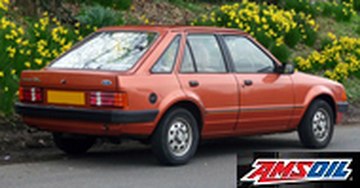
Lubrication Maintenance for the 1982 Ford ESCORT 1.6L
Maintaining the engine lubrication system in a vehicle like the 1982 Ford Escort 1.6L requires consistent attention to fluid condition and component integrity. As vehicles age, the way they manage heat and internal friction becomes increasingly dependent on the quality of the lubricants used and the cleanliness of the engine environment. Proper oversight helps ensure that the mechanical components continue to operate within their intended parameters.
Monitoring Fluid Condition and Potential Leaks
One of the most effective ways to monitor the health of a 1.6L engine is through regular visual inspections of the lubrication system. Owners should look for any signs of fluid seepage or active leaks around the engine block and associated sealing surfaces. Even small amounts of oil appearing on the exterior of the engine can be an early indicator that gaskets or seals are beginning to lose their effectiveness due to age or thermal cycling.
When performing these checks, it is useful to look for:
- Evidence of oily residue on various engine surfaces.
- Fluid spots on the ground beneath where the vehicle is parked.
- Changes in the color or consistency of the oil when checked via the dipstick.
- Any unusual odors that may suggest oil is contacting warmer engine components.
It is important to note that a single symptom, such as an odor or a small spot, can be associated with several different causes. For instance, a smell might indicate oil contacting a hot surface, but it does not automatically confirm a specific failed component. If any significant changes in fluid appearance or unexpected leakage are observed, these should be investigated to prevent further issues.
Managing Long-Term Engine Health
For an older vehicle, establishing a maintenance baseline is a practical way to manage future repairs. If the service history of the 1982 Ford Escort is unknown, beginning a detailed log of all fluid changes, filter replacements, and mechanical inspections can provide clarity on the vehicle's current state. This documentation allows an owner to distinguish between routine maintenance and emerging issues that require more immediate attention.
Prioritizing maintenance tasks based on the actual condition of the vehicle is often more effective than following generic age-based assumptions. Rather than replacing parts simply because they are decades old, focus on addressing active signs of wear or service needs. This includes monitoring how much lubricant the engine consumes over time and checking for any changes in how the engine sounds during operation. Consistent record-keeping regarding these observations helps in making informed decisions about whether to perform preventive maintenance or address a specific mechanical concern.
Inspecting Related Engine Components
While oil is central to engine health, other components within the engine bay warrant regular inspection to ensure the overall system functions correctly. For example, if equipped, accessible drive belts should be checked for signs of deterioration such as cracking, glazing, or fraying. Similarly, inspecting any present hoses for softness, swelling, or leaks can help prevent secondary issues that might affect engine temperature or performance.
Electrical connections and wiring harnesses should also be examined for signs of brittleness or corrosion, as these can impact the reliability of various engine-related sensors and systems. Maintaining a clean environment around the engine by removing accumulated debris can also assist in better heat management and make it easier to spot new leaks during routine inspections.
Understanding Lubricant Functions
The lubricant within the 1.6L engine performs several vital roles that go beyond simple friction reduction. It acts as a medium for heat management, helping to carry thermal energy away from high-friction areas. Additionally, modern lubricants are designed with additives that assist in deposit control, which helps prevent the buildup of sludge and other contaminants that can accumulate over long periods of operation.
The effectiveness of these functions is highly dependent on the quality of the oil and how frequently it is replaced. As the lubricant undergoes thermal stress and interacts with combustion byproducts, its ability to protect internal components can diminish. This makes staying observant of any changes in engine behavior or fluid appearance a critical part of ownership.
Practical Steps for Effective Ownership
Effective maintenance for a 1982 Ford Escort involves a combination of proactive inspection and reactive troubleshooting. Instead of waiting for a warning light or a mechanical failure, an owner can gain peace of mind by performing periodic checks of all fluid levels and the general condition of the engine bay. This approach allows for the identification of minor issues before they escalate into more significant mechanical problems.
When reviewing maintenance needs, it is helpful to distinguish between necessary service and unnecessary parts replacement. If a component shows no signs of wear or leakage, there is often no immediate need for intervention. However, if an owner notices increased lubricant consumption or changes in the engine's operating sound, these are valid reasons to seek a professional diagnosis.
Buying Engine Oil for your 1982 Ford ESCORT 1.6L
When it is time to replenish the lubrication in your 1982 Ford Escort 1.6L, the most important step is to ensure the product matches the specific requirements of your engine. You should always match the engine oil to the application-specific viscosity information already displayed on this webpage.
Before making a purchase, consider the following practical tips:
- Verify that the oil meets the appropriate API certification listed in your vehicle's documentation or provided on this page.
- Check the product labeling carefully to ensure you are selecting the correct grade for your specific application.
- If your engine has high mileage, you may want to consider whether a high-mileage formulation—which some formulations include seal-conditioning additives—is appropriate for your needs.
- Always refer back to the technical data provided on this page rather than relying on general assumptions about oil types or grades based solely on the vehicle's age.
By following the application-specific guidance provided here, you can ensure that the lubricant you select provides the necessary protection and performance for your 1.6L engine.